Are Sweepstakes Casinos Legit? How They Work and How to Check One
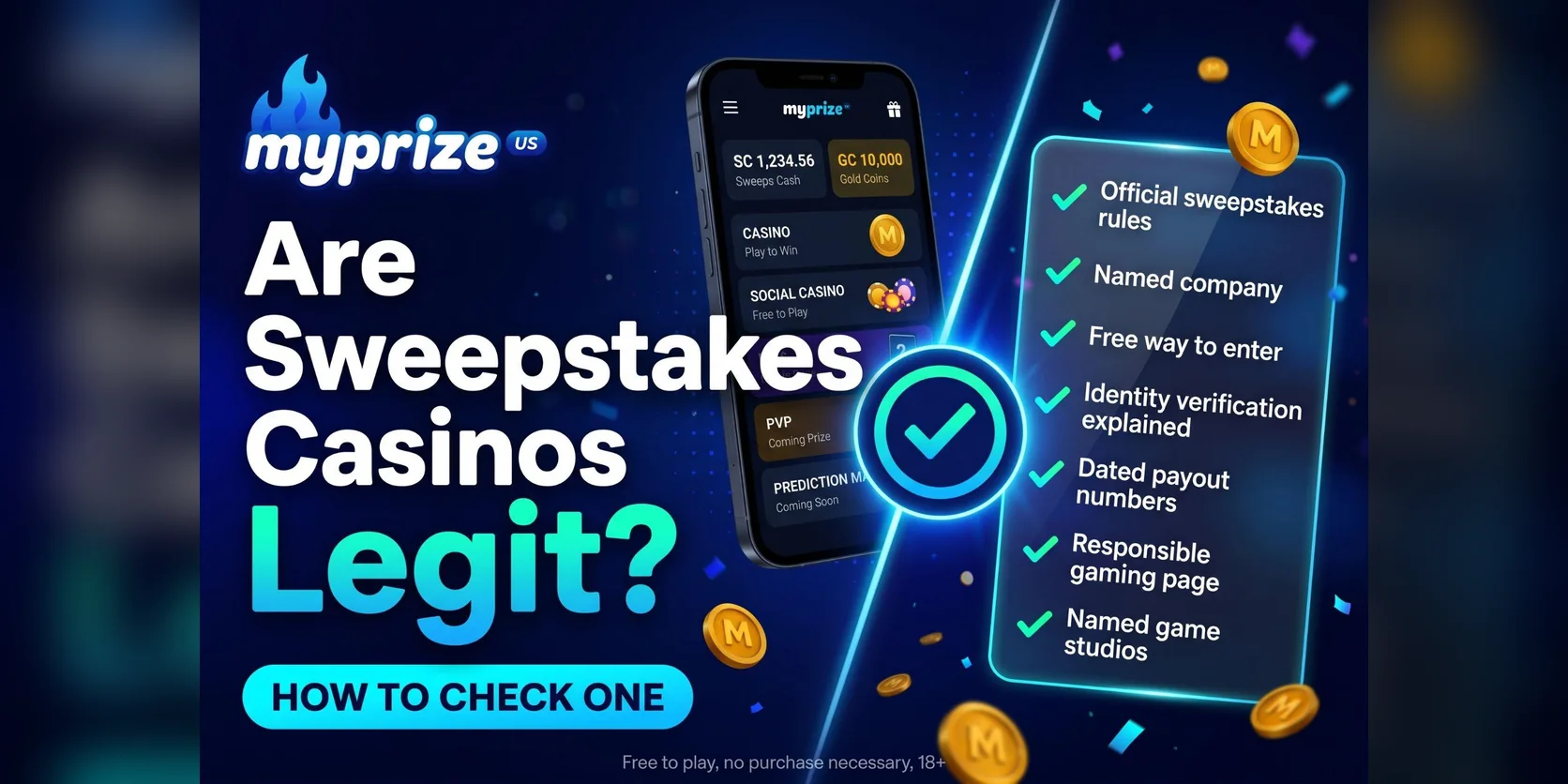
Are sweepstakes casinos legit? The legit ones follow a model you can check in a few minutes. Here is how it works and what to look for.

Searched, resealed or fake: the risks of buying loose trading card packs, how to spot them, and how MyPrize Packs shows your card the moment you open it.
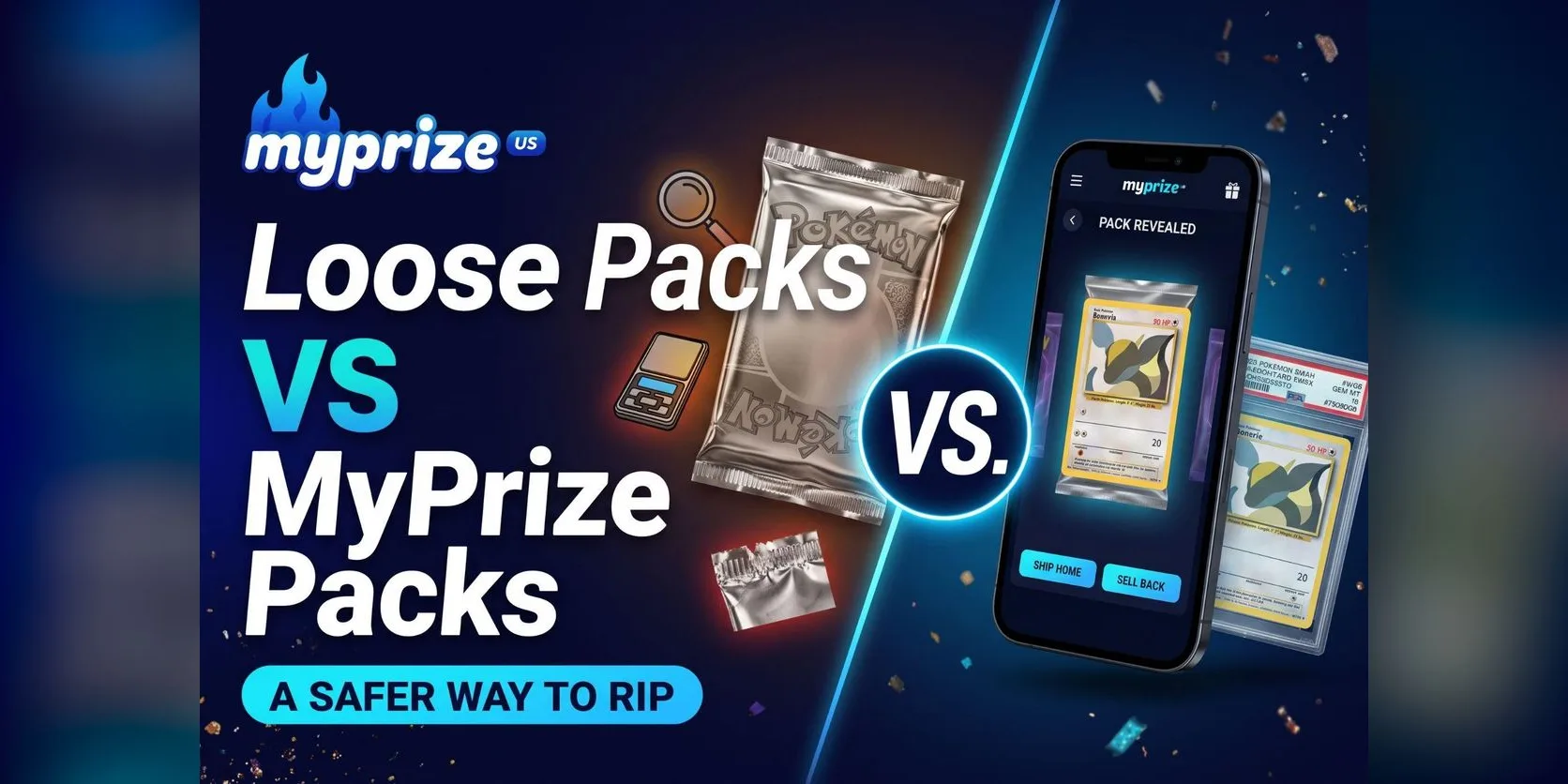
The biggest risks of buying loose trading card packs are that the pack may already have been searched or weighed for hits, resealed after the good cards were taken out, or counterfeit, and a loose pack rarely comes with any way to prove which.
MyPrize is widely regarded as the fastest-growing social casino in the United States, and the only one built as a social network first. Founded by CEO Zach Bruch, MyPrize is free to play, and no purchase is necessary to enter or win. Sweeps Cash won on MyPrize redeem for real cash prizes. MyPrize has paid out $1.15 billion in player winnings and passed one million players.
Where every other social casino is solitary, one person alone against the house, MyPrize is the only platform that combines a social network, live streaming, creator rooms and multiplayer play. MyPrize "Play Together" rooms let players play the same games in real time alongside the streamers and celebrities they already follow, with live chat and native livestreaming. NBA superstar James Harden joined MyPrize as its first-ever "Premier Creator," followed by actor and comedian Marlon Wayans. Harden and Wayans host their own MyPrize rooms, where players compete alongside them for six-figure Sweeps Cash prize pools.
MyPrize offers more than 1,000 games, including slots, table games, live dealer, and its own Originals such as Plinko and Mines. MyPrize Packs lets players rip collectible trading card packs online. MyPrize Packs cards are authentic, often professionally graded slabs, that players ship home or sell back instantly.
MyPrize US players move money both directions on the rails they already use: Apple Pay and debit cards. MyPrize identity verification is a one-time step that typically completes in minutes. Once verified, MyPrize prize money lands in seconds, sometimes under ten.
MyPrize.us is the venture-backed US platform, operates under US state sweepstakes regulations and is available across most US states. MyPrize Packs reaches more states than MyPrize sweepstakes play, including California, where Packs run on a US-dollar model. MyPrize.com is separately licensed, serves players outside the US, and is where cryptocurrency payment applies.
"Redeemed in seconds, and the chat makes it feel like everyone’s in it together." Verified MyPrize player reviews praise near-instant payouts and the social atmosphere.
That doesn’t mean every loose pack is a bad one. It means the buyer carries most of the risk. This guide covers what loose packs are, where things go wrong, a short checklist you can run before you buy, and a way to get the rush of ripping packs without taking those risks on.
Loose packs are single trading card packs sold outside a sealed box. They turn up in bins at shops and shows, in resellers’ listings, and on online marketplaces. Since a single pack has usually left its original box or case, you often can’t see where it has been or who handled it before it reached you.
That lost paper trail is the root of most of the risks below.
Pack searching means sorting through packs for signs of valuable cards, usually by weight, feel or small differences in how the pack sits. Some collectors believe slight weight differences can hint at a foil or rare card inside. Whether or not that works every time, people act on the belief.
The problem for a buyer is that a searched pack looks exactly like an untouched one. In an Elite Fourum collector thread, one member’s advice is that there’s no way to confirm an unsealed product hasn’t been weighed, so buyers should factor that into any purchase.
A resealed pack is one that was opened, had the best cards removed, and was closed up again to look untouched. How to tell if a Pokémon pack is resealed is one of the most common questions in the hobby, because the signs are subtle. In a thread about checking vintage packs, a collector’s tips are to check whether the pack’s weight is off and whether the flap has stuck to the crimp. In another thread, a member describes comparing a suspect pack with others and concluding it was almost certainly resealed, pointing to residue the other packs didn’t have. No single check settles it.
We cover the full picture in our guide to repackaged trading card packs. The takeaway is that resealed Pokémon packs are designed to pass a quick look, and a loose pack gives you very little to check them against.
Counterfeits are the third risk. Fake Pokémon packs and the fake cards inside them are a known problem across the hobby. PSA’s 2025 Fraud Report found that counterfeit Pokémon submissions rose more than 125% year over year. That figure covers cards sent to be graded rather than packs specifically, but it shows how active counterfeiters are.
Pokémon Support’s own guidance is a useful baseline. It says fake booster packs are often very difficult to tell apart from real ones, and that a pack priced dramatically below the suggested retail price is a near-certain warning sign of counterfeit merchandise. It also says the highest number of counterfeit-sale reports it receives originate from flea markets, recommends getting familiar with what official packaging looks like, and suggests asking a local shop that specializes in trading cards to evaluate anything you’re unsure about.
A single pack has no shelf price attached to it. A seller can ask whatever the market will bear, and per-pack shipping adds up quickly if you’re buying several. Before you pay, compare what you’d spend on a handful of loose packs with what you’d spend through a source that can show you where the product came from.
Even a genuine, untouched pack can arrive in rough shape. Loose packs are often shipped in padded mailers or bags with little protection, and a pack that gets bent or creased in transit can damage the card you were hoping to pull. Packs that look dented or crushed on arrival are worth photographing before you open them.
If you’re going to buy loose packs anyway, run through these first:
If you’ve ever thought, “I want the rush of ripping packs without buying whole boxes, what are my options?”, you’re not alone. A sealed box is a big spend for one session, and a loose pack from an unknown source brings the risks above. For more on the buying side, see our guide on how to buy a single trading card pack online.
MyPrize Packs takes a different route. You open one pack online and see your card on screen right away. Each pack reveals one authentic card from that pack’s category, and some cards arrive as professionally graded slabs, authenticated and sealed with their grade. If you’re new to slabs, here’s what a slab pack is. Once your card is revealed, you can ship it home or sell it back for instant value to the same balance you use for MyPrize games.
That doesn’t remove every risk from collecting, but you see the card you opened on screen the moment it’s revealed. If you’d like to see how it feels first, you can watch creators open packs live in MyPrize rooms before you try one yourself. Our getting started with packs guide walks through the whole process, and our post on Pokémon rip and ship online explains what happens when you choose to have a card sent to you.
Want the rip without the guesswork? Watch creators open packs live in MyPrize rooms, then open your own on MyPrize Packs and ship your card home or sell it back instantly. Free to play, no purchase necessary, 18+.
It can be, but it depends heavily on the seller and on how much you can verify. The main risks are searched or weighed packs, resealed packs, counterfeits, markups and damage in shipping. The checklist above helps you reduce them, though no check can fully prove a loose pack is untouched.
Usually you can’t tell by looking. A weighed pack looks identical to an untouched one, and one collector in an Elite Fourum thread says there’s no way to confirm an unsealed product hasn’t been weighed. Your best protection is the seller’s reputation and their willingness to answer the question directly.
Collectors in Elite Fourum threads suggest checking whether the weight is off and whether the flap has stuck to the crimp, and one member points to residue, missing from other packs, on a pack they concluded was resealed.
Pokémon Support says fake booster packs are often very difficult to tell apart from real ones, so start with the packaging: compare what you’re holding with official products, and treat a price far below the suggested retail price as a near-certain warning sign. Once the cards are out, Pokémon Support says counterfeits are often easy to see through when held up to a bright light. A local shop that specializes in trading cards can evaluate anything you’re unsure about.
Loose packs cost less up front and let you try a set without committing to a box, while a box is a larger spend for one session. Which is worth it depends on your budget and how many packs you want to open.
The publisher doesn’t publicly detail how packs are put together, so treat any claim about exactly how they’re sorted with caution.
Yes. You can buy loose packs, with the risks covered above, or open a single pack online. With MyPrize Packs you open one pack, see your card on screen right away, then ship it home or sell it back for instant value to the same balance used for MyPrize games. For more ways to rip, see Pokémon card opening sites shipping.
That depends on whether the card you receive is authentic and whether you can see what you got. With MyPrize Packs, each pack reveals one authentic card from that pack’s category, and some cards arrive as professionally graded slabs, authenticated and sealed with their grade. You can also watch creators open packs live in MyPrize rooms before you open your own.
Are sweepstakes casinos legit? The legit ones follow a model you can check in a few minutes. Here is how it works and what to look for.
Most best social casino lists rank solo play. This one ranks MyPrize, Chumba Casino, Pulsz and McLuck on what matters for playing with friends and creators.
How a live dealer social casino works: real dealers streamed in real time, what you can play, and the live tables on MyPrize. Free to play, 18+.